


If there is one thing we have learned from 2025, it is that the global economy, businesses, and financial markets are far more resilient than many had predicted. Despite concerns over tariffs, geopolitical tensions, and institutional integrity, stock markets have surged, bonds have remained stable, and private assets have not “blown up” as many feared.
Although markets briefly “fell off a cliff” following Donald Trump’s tariff announcement in April, the rapid rebound sparked a wave of optimism. Many experts believe this positive momentum will continue, with markets poised for strong growth in 2026.
That said, fund managers still need to carefully assess potential risks. While some risks—such as meteor strikes or other black swan events—are inherently unpredictable, others can be quantified and prepared for.
The AI Bubble – The Biggest Threat
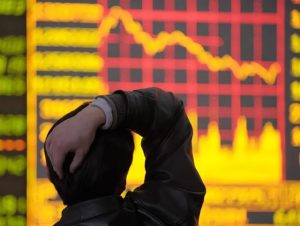
The most obvious risk facing investors is the artificial intelligence (AI) boom. Massive revenues from technology, combined with heavy investment in AI infrastructure, have driven the outperformance of tech stocks. While there are signs of froth, this is not entirely illusory.
The key question is whether the “competitive moat” of U.S. tech giants is truly sustainable. Can China catch up? The DeepSeek episode in January 2025 demonstrated that this is entirely possible. Moreover, today’s dominant players are not guaranteed to be tomorrow’s champions—as illustrated by the competition between Alphabet and Nvidia.
Most importantly, will end consumers be willing to pay enough for this technology to justify the enormous investments being made? Given the current scale of Big Tech, these questions cannot be ignored.
Nvidia alone is still valued at more than USD 4 trillion, even after its recent pullback. A sharp downturn across the sector would leave deep scars on U.S. markets and send shockwaves across the globe. In a severe shock, no asset class would be immune.
BlackRock, in its 2026 outlook report, warned: “If the AI narrative breaks down, the impact would overwhelm any diversification efforts.” The asset management giant recommends that “portfolios must have a clear Plan B and be ready to pivot quickly.”
Many investors believe they are diversifying by increasing exposure to Asia, energy infrastructure, or technology-related resources to reduce direct exposure to semiconductors. However, this view may be misguided, as all of these sit within the same AI value chain. Only a true downturn will reveal who is right and who is wrong.
The Risk of Inflation’s Return
The second major risk is that aggressive spending on AI could reignite inflation. U.S. consumer inflation currently remains around 3%, while the Fed’s preferred inflation measure is still above its 2% target.
Investors are assuming that inflation will continue to ease, allowing the Fed to cut interest rates at least once more next year. However, some experts suspect that tariff-driven inflation is still “lurking beneath the surface,” waiting to reemerge.
If that happens, market volatility will be unavoidable. A Fed rate hike would pressure equities. Conversely, if the Fed holds rates steady or continues cutting—an entirely plausible scenario after Jay Powell steps down as chair in May—then bonds and the U.S. dollar would bear the brunt.
Smaller central banks, such as those in Australia and Norway, have already begun to shy away from further rate cuts. If the U.S. finds itself in a similar position, many investors could be caught off guard.
Other Potential “Time Bombs”
Among other more unusual risks, cryptocurrencies are becoming a growing concern as they increasingly penetrate the mainstream financial system under President Trump. A “crypto accident”—which is not difficult to imagine—would hurt retail investors who have helped prop up equity markets this year, triggering broader stress and potentially forcing central banks to intervene.
In Japan, government bond yields are rising as interest rates lag behind accelerating inflation. While this has been a risk for years without causing major disruption, it now appears plausible that yields could rise high enough that Japanese investors no longer need to invest abroad. Losing such a major buyer of global debt at this moment would be highly problematic.
Widespread Optimism
The final reason for caution is the prevailing optimism across markets. Bears are currently in short supply. Even Albert Edwards—the famously pessimistic strategist at Société Générale—while maintaining that U.S. equities are in a bubble that would drag down the economy if it burst, has admitted that he finds it “hard to see a macro catalyst for a major crash.”
This does not mean that a collapse or a sharp decline in risk assets is inevitable. However, today’s overwhelming optimism means that even small mistakes could trigger painful volatility. Each of the risks outlined above deserves close monitoring in 2026.















Leave a Reply