


The currency market has overcome the shock caused by President Donald Trump’s policies, which led to major volatility earlier this year. Measures of U.S. dollar volatility have fallen to their lowest levels since before last year’s U.S. presidential election.
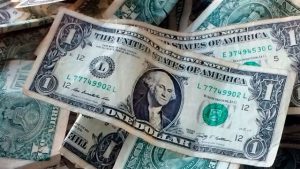
According to indices provided by CME Group, this month’s expectations for fluctuations in the dollar’s value against the euro and the Japanese yen — which had surged following Mr. Trump’s victory in the November presidential election — have dropped to their lowest levels in over a year.
At the same time, the U.S. dollar index (DXY), which measures the greenback’s value against a basket of currencies including the British pound and the euro, has narrowed its decline for the year. The index is now trading close to the level it was at before it surged on expectations of Mr. Trump’s election victory.
Investors and analysts believe that a series of tariff agreements with major U.S. trading partners such as the European Union (EU) and China has reduced volatility in the currency market, as the U.S. economy has weathered high tariffs better than expected. Meanwhile, major central banks are nearing the end of their interest rate cutting cycles, reducing uncertainty in the foreign exchange market.
“The world is learning to live with Mr. Trump. Investors have learned to react cautiously to his policy statements,” commented Chris Turner, Head of Market Research at ING Bank.
The dollar strengthened ahead of last year’s U.S. presidential election as investors bet that the Republican Party’s trade and tax policies would bolster the world’s largest economy and its currency.
That optimism was shaken when Mr. Trump’s tariff announcements in April rattled currency markets, with daily foreign exchange trading volumes reaching a record of nearly $10 trillion that month.
Concerns over the impact of the trade war on the U.S. economy, as well as worries about the Federal Reserve’s independence, caused the DXY index to fall sharply, marking its worst start to a year since the 1970s.
However, the dollar gradually regained strength over the summer as U.S. equities recovered, pushing Wall Street indexes to record highs before technology stocks sold off last week. Some large fund managers believe fears about U.S. assets have been exaggerated.
“Despite all the talk about the end of U.S. exceptionalism, when you look at the big picture, the dollar has remained a strong currency for many years,” said Robert Tipp, Head of Global Bonds at PGIM. He argued that this year’s decline in the dollar was merely a correction in a long-term uptrend rather than the beginning of the end of the greenback’s dominance.
George Saravelos, Global Head of FX Research at Deutsche Bank, said the currency market has moved past the shock of Mr. Trump’s policies thanks to easing trade tensions.
“What more can President Trump do to shock the market? We’re struggling to find an answer,” Saravelos said.
Analysts also noted that the lack of U.S. macroeconomic data due to the record-long government shutdown has further dampened volatility in the dollar and U.S. Treasury markets.
Without comprehensive data on inflation, the labor market, and consumer spending, investors have been hesitant to take large positions in the currency market.
The dollar also received support from last month’s Federal Reserve meeting, where Fed officials cut interest rates again but warned that another cut was “not a foregone conclusion.” A slower pace of rate cuts by the Fed generally supports the dollar.
According to CME Group’s own data, demand for dollar call options — bets that the currency will strengthen — far exceeds demand for put options, reaching the highest level since February.
Some fund managers believe the dollar is regaining its traditional role as a stable asset in their portfolios, given its strengthening trend during times of global tension.
Rushabh Amin, Portfolio Manager at Allspring Global Investments, said the dollar’s sharp decline earlier this year appeared to be an anomaly rather than a long-term trend.
“We believe the dollar will continue to serve as a portfolio diversification tool in the future, especially for international investors,” Amin said.












Leave a Reply