


The Trump administration is preparing to cut tariffs on certain essential goods in response to the cost-of-living crisis affecting millions of American families.
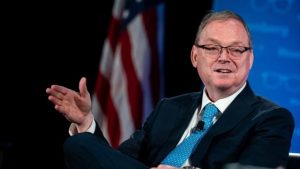
Kevin Hassett, Chairman of the National Economic Council, revealed at an event in Washington that the administration is considering tariff adjustments on food products. “One of the issues discussed in recent days is changing tariffs on food,” he said. “I think there will be more adjustments to come.”
Treasury Secretary Scott Bessent also confirmed to Fox Business that there will be “important announcements” in the coming days regarding price reductions on items such as coffee, bananas, and “other types of fruit.”
The decision follows a series of unexpected political defeats for Trump-backed candidates in last week’s New York mayoral and gubernatorial elections. Analysts believe voter dissatisfaction over rising living costs due to tariff policies is one of the main reasons people are struggling with daily expenses.
The tough trade policy President Trump has implemented since August has pushed U.S. average tariff levels to their highest point since before World War II. Although the overall impact on inflation has been less severe than experts predicted, the broad imposition of tariffs on most trading partners has driven up prices for many imported goods—especially essential food items.
In an effort to ease public discontent, Trump posted on Truth Social over the weekend that low- and middle-income households would receive a $2,000 “tariff dividend” from tariff revenues.
Kevin Hassett acknowledged that grocery costs have risen during the current term, though he maintained that the rate of increase has slowed. “The typical monthly spending on food when President Trump left office in 2021 was about $400. That number rose to $510 when President Biden finished his term, and it now stands at $512,” he said.
“The pace of food price increases has leveled off. However, the high price levels we’re facing remain a serious challenge,” Hassett emphasized.
The administration has provided certain tariff exemptions for sectors such as semiconductors, pharmaceuticals, and critical minerals, but has maintained a minimum 10% tariff on most trading partners. Many countries have rushed to negotiate limited agreements with the U.S. to ease tariff pressure, though results have been modest.
Hassett, considered a leading contender to succeed Jay Powell as Federal Reserve Chair next year, said: “You do what you think is right, wait for the results, and when you see the need to adjust, you adjust.”
















Leave a Reply