


Oil prices fell in the February 2 session after U.S. President Donald Trump said Iran was “seriously engaging in talks” with Washington, signaling a potential easing of tensions with the OPEC member. A stronger U.S. dollar and forecasts for milder weather also weighed on oil prices.
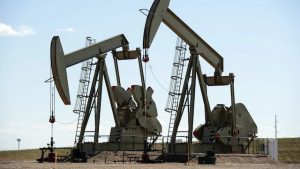
At the close on February 3, Brent crude futures dropped $3.40, or 4.9%, to $65.92 per barrel. U.S. West Texas Intermediate (WTI) crude futures fell $3.51, or 5.3%, to $61.70 per barrel.
Officials from both Iran and the United States said the two sides would resume nuclear talks on February 6.
On January 31, Trump told reporters that Iran was “seriously engaging,” just hours after Tehran’s senior security official Ali Larijani said preparations for the talks were underway.
Previously, the U.S. president had repeatedly threatened intervention if Iran failed to accept a nuclear deal or continued its crackdown on protesters. Those threats helped support oil prices throughout January, according to Priyanka Sachdeva, an analyst at Phillip Nova.
Oil prices also came under pressure from a stronger U.S. dollar after Trump nominated Kevin Warsh as the next chair of the Federal Reserve. A stronger dollar makes commodities such as oil and gold more expensive for foreign investors, thereby dampening demand.
In addition, forecasts for milder weather in the U.S. were another negative factor for oil prices, as diesel futures fell sharply, according to Ritterbusch and Associates. U.S. diesel futures—used for heating and power generation—dropped nearly 7% on February 2.
Alongside Middle East tensions, a polar vortex in the U.S. helped push WTI prices up 14% and Brent prices up 16% in January, according to analysts at PVM in a report.
As these supportive factors fade, the market is refocusing on the widely expected scenario of rising global oil inventories this year, analysts said.
At a meeting on Sunday, OPEC+ agreed to keep oil output unchanged in March. Previously, in November, the alliance froze plans to increase production from January through March 2026 due to seasonally weaker demand.

















Leave a Reply