


**Oil prices fell in the January 6 trading session as the market weighed expectations of ample global supply this year against uncertainties surrounding Venezuela’s crude output following the U.S. arrest of President Nicolás Maduro.**
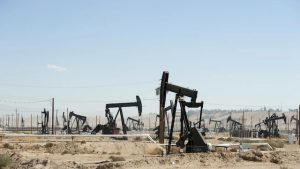
At the close of trading on January 6, Brent crude fell 1.72%, or USD 1.06, to settle at USD 60.70 per barrel. Meanwhile, WTI crude dropped 2.04%, or USD 1.19, to USD 57.13 per barrel.
“It is still too early to assess the impact of Nicolás Maduro’s arrest on the oil supply-demand balance. However, what is fairly clear is that oil supply will be sufficient in 2026, regardless of whether production from this OPEC member increases or not,” said Tamas Varga, an analyst at PVM Oil.
According to a Reuters survey of market participants conducted in December, most respondents believe oil prices will remain under pressure in 2026 due to rising supply and weak demand.
### Could downward pressure on oil prices intensify after Maduro’s arrest?
Pressure on oil prices could increase following the U.S. arrest of Venezuela’s leader on January 3, which raises the possibility that Washington may lift sanctions on Venezuelan oil, thereby paving the way for production to rebound.
“We estimate that only about 300,000 barrels per day of additional supply could come online over the next two to three years with limited incremental spending. Part of this could be self-financed by PDVSA, but reaching 3 million barrels per day by 2040 would require substantial international capital commitments,” said Janiv Shah, an analyst at Rystad.
According to a source familiar with the matter, the administration of U.S. President Donald Trump is expected to meet with U.S. oil company executives later this week to discuss ways to boost Venezuela’s oil output.
Venezuela is one of the founding members of the Organization of the Petroleum Exporting Countries (OPEC) and holds the world’s largest proven oil reserves, estimated at around 303 billion barrels. However, its oil industry has declined for many years, partly due to underinvestment and U.S. sanctions.
Venezuela’s average oil production last year was approximately 1.1 million barrels per day.
Oil analysts believe that with political stability and investment flows from the United States, Venezuela’s oil production could increase by up to 500,000 barrels per day within the next two years.
Elsewhere in the global market, India’s Reliance Industries said on Tuesday that it does not expect to receive any Russian crude shipments in January. This move could cause India’s imports of Russian oil for the month to fall to their lowest level in years.
The announcement followed a warning by President Trump on January 4 that the United States could further raise import tariffs on India over its purchases of Russian oil.


















Leave a Reply