


News indicating easing tensions between the United States and Iran sent oil prices plunging by 5%.

U.S. stock markets surged in Monday’s trading session (February 2), despite sharp volatility in precious metals and cryptocurrencies, as well as a steep decline in Nvidia shares. Reports that U.S.–Iran tensions were de-escalating caused oil prices to “evaporate” by 5%.
At the close, the Dow Jones Industrial Average rose 515.19 points, or 1.05%, to 49,407.66. The S&P 500 gained 0.54% to 6,976.44, while the Nasdaq Composite increased 0.56% to 23,592.11.
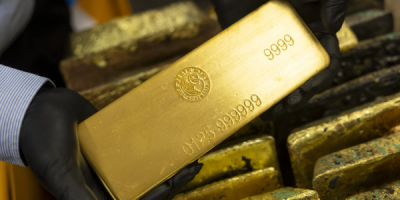
Risk appetite showed signs of weakening during the session, as Bitcoin fell to its lowest level since April last year and a historic sell-off swept through the precious metals market. On Monday, spot gold fell nearly 5% and spot silver dropped more than 7%, following declines of over 9% and more than 26%, respectively, in Friday’s session.
However, after hitting their lows, both Bitcoin and precious metals prices showed signs of recovery, helping revive risk appetite. Early this morning (February 3), Bitcoin was trading above $79,000, slightly higher than the previous morning, while gold briefly reclaimed the $4,800 per ounce level.
The rally in U.S. equities occurred even as Nvidia shares fell nearly 3%, after The Wall Street Journal cited informed sources saying Nvidia’s plan to invest $100 billion in OpenAI had stalled due to skepticism among Nvidia executives.
Analysts said the news had limited impact on the broader market, while positive factors remained intact. This week, more than 100 S&P 500 companies are scheduled to release their Q4 2025 earnings reports, including Amazon and Alphabet. Overall profit forecasts remain optimistic, as most companies that have reported so far have exceeded expectations.
A report from Deutsche Bank said earnings growth for Wall Street-listed companies this reporting season is expected to reach its highest level in four years. Currently, about one-third of S&P 500 companies have reported results, with 78% beating profit estimates, according to FactSet data.
“If there is anything worrying investors about equities right now, it’s valuation. Double-digit earnings growth for five consecutive quarters may not be enough to allay valuation concerns that have persisted in the market for the past two years,” Tim Holland, Chief Investment Officer at Orion, told CNBC.
In the energy market, Brent crude futures in London fell $3.40 per barrel, or 4.9%, to settle at $65.92 per barrel. WTI crude futures in New York dropped $3.51 per barrel, or 5.3%, to $61.70 per barrel.
U.S. and Iranian officials told Reuters that the two countries will formally resume nuclear talks this Friday. Last Saturday, President Trump said Iran was “negotiating seriously” over its nuclear program. The de-escalation follows Trump’s recent warnings that the U.S. could strike Iran if it failed to agree to a nuclear deal and continued suppressing anti-government protests.
Oil prices also came under pressure from a stronger U.S. dollar after Trump nominated Kevin Warsh as chairman of the Federal Reserve. The Dollar Index closed Monday up more than 0.6% at 97.6, its highest level in over a week.
Forecasts of milder weather in the U.S. also weighed on energy prices, according to a report from Rittersbusch and Associates. U.S. diesel futures—often used for heating and power generation—fell nearly 7% in Monday’s session.
A report from PVM Oil said tensions in the Middle East and snowstorms in the U.S. helped push WTI crude up 14% and Brent crude up 16% in January. As these factors fade, market attention is shifting back to forecasts that global oil inventories will rise sharply this year.
At a production meeting on Sunday, OPEC+ agreed to keep oil output unchanged in March. In November, the alliance between the Organization of the Petroleum Exporting Countries (OPEC) and non-OPEC producers including Russia agreed to freeze plans to increase output through March 2026 due to seasonally weaker global oil demand.

















Leave a Reply