


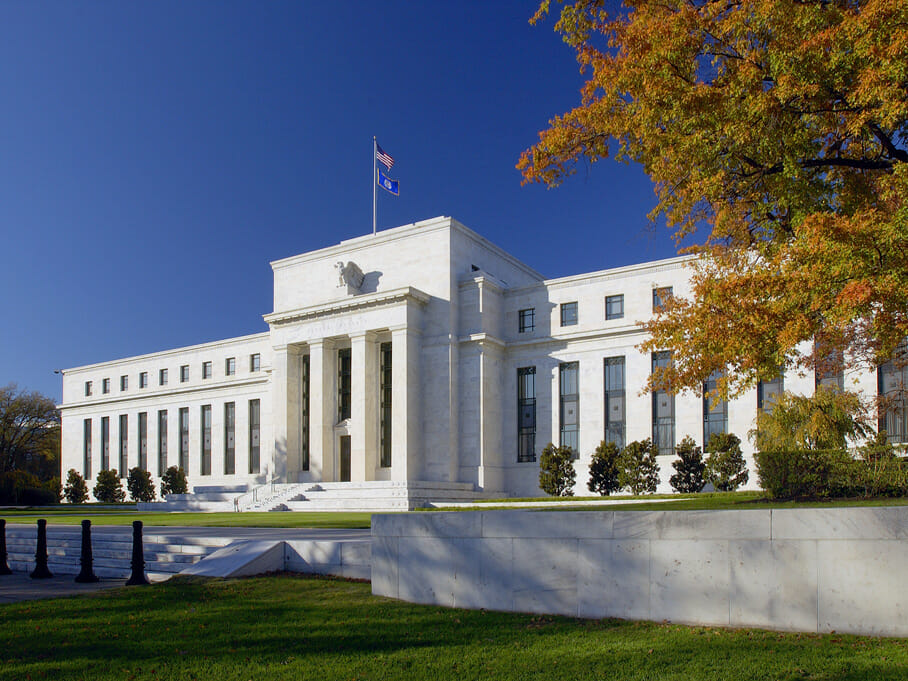
Tensions between President Donald Trump and the Federal Reserve have resurfaced as reports suggest the White House is weighing the possibility of replacing Chair Jerome Powell before his term expires. The development has reignited debate over the Fed’s autonomy — a core pillar of U.S. financial stability and inflation management.
Policy Frictions Intensify Amid Diverging Views on Interest Rates
President Trump has repeatedly voiced dissatisfaction with the Fed’s recent policy stance, arguing that interest rates remain too restrictive and are hindering economic expansion. His position contrasts sharply with Powell’s data-driven approach, which prioritizes bringing inflation back toward target even if it requires maintaining tighter financial conditions.
Despite Trump being the one who nominated Powell to the position, their policy philosophies have grown increasingly misaligned. While the White House favors a more accommodative strategy to support growth, the Fed continues to emphasize price stability and the risks associated with overheating the economy.
Replacing a Fed Chair Is Not a Straightforward Process
Under U.S. law, members of the Federal Reserve Board of Governors — including the Chair — can only be removed for cause, not due to policy disagreements. Legal experts warn that any attempt to force Powell out could trigger a prolonged constitutional dispute and draw the central bank deeper into political controversy.
Analysts note that such a move could significantly unsettle financial markets, heightening volatility in stocks and bonds at a time when global economic conditions are already fragile.
Growing Political Risk Adds Uncertainty for U.S. Markets
The ongoing political pressure has placed Powell in a delicate position, compelling the Fed to reinforce its commitment to independence while navigating an increasingly charged political climate. Market strategists caution that the situation introduces a new layer of risk for investors in the months ahead, particularly as the Fed approaches several consequential interest-rate decisions before year-end.

















Leave a Reply